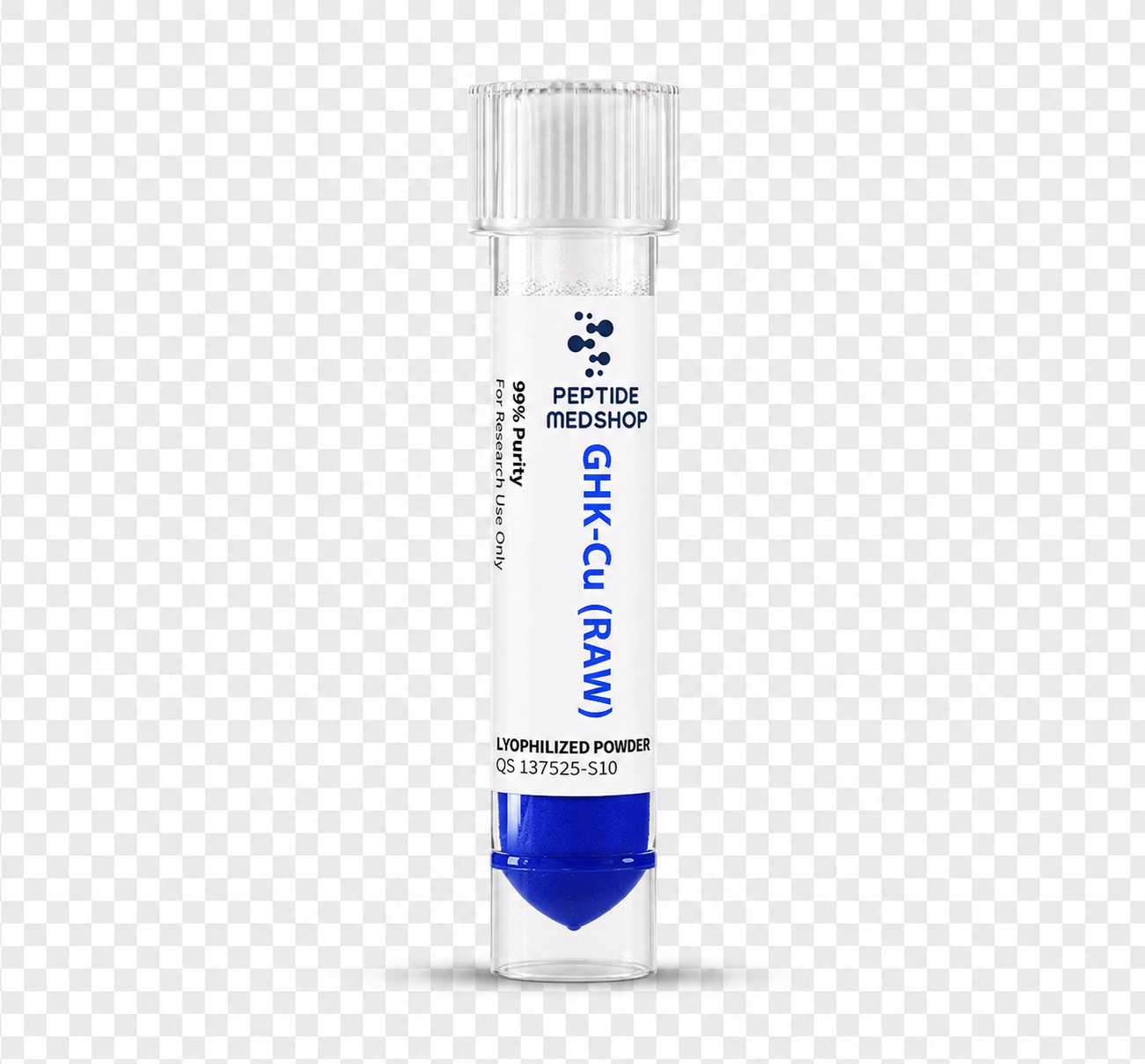
Buy GHK-CU Online
Buy GHK-CU Online, also known as Copper Tripeptide-1, is one of the most extensively researched peptides in dermatology and regenerative science. Naturally occurring in the human body, GHK-Cu is composed of three amino acids—glycine, histidine, and lysine—bound to a copper ion. Scientists have studied this unique peptide for decades because of its potential role in skin biology, collagen production, tissue remodelling, and hair research.
Today, GHK-Cu is widely used in premium skincare formulations and is also available as a research compound for laboratory investigation. While topical GHK-Cu has human clinical evidence supporting cosmetic skin benefits, injectable applications remain investigational and are not approved by the U.S. Food and Drug Administration.
If you’re looking for premium peptide products and research supplies, visit:
Website: https://peptidemedshop.com/
What Is GHK-Cu?
GHK-Cu is a naturally occurring copper-binding tripeptide found in human plasma, saliva, and urine. Researchers first identified it in the 1970s, and studies have shown that natural GHK-Cu levels gradually decline with age. This observation has made it an important subject in research focused on healthy aging, tissue biology, and cosmetic skincare.
Unlike many synthetic peptides, GHK-Cu is naturally produced by the body and participates in several biological signalling pathways.
How Does GHK-Cu Work?
Researchers believe GHK-Cu acts as a signalling peptide that helps regulate cellular processes involved in tissue maintenance and repair.
Current research has explored its potential involvement in:
- Collagen production
- Extracellular matrix remodelling
- Skin regeneration
- Wound healing
- Antioxidant activity
- Hair follicle biology
Although laboratory and topical clinical studies are promising, additional research is needed to better understand its broader therapeutic applications.
Potential Benefits of GHK-Cu
Supports Skin Appearance
Topical GHK-Cu is commonly included in cosmetic products designed to improve the appearance of fine lines, wrinkles, firmness, and overall skin texture.
Promotes Healthy-Looking Skin
Copper peptides are frequently used in premium skincare products because they help support hydration and the skin’s natural repair processes.
Hair Care Research
Researchers continue studying GHK-Cu for its potential role in supporting healthy hair follicles and scalp biology. While early findings are encouraging, more clinical research is needed before firm conclusions can be made.
Tissue Biology Research
GHK-Cu remains one of the most widely investigated peptides in studies involving connective tissue and regenerative biology.
Why Is GHK-Cu So Popular?
Several factors have contributed to the popularity of GHK-Cu among researchers and skincare enthusiasts:
- Naturally occurring peptide
- Decades of scientific investigation
- Widely used in cosmetic formulations
- Supports healthy-looking skin
- Studied multiple biological pathways
Its broad range of research applications has made it one of the most recognised peptides available today.
Common Applications
GHK-Cu is commonly found in:
- Facial serums
- Anti-aging creams
- Eye creams
- Hair care products
- Cosmetic formulations
- Laboratory research materials
The strongest human evidence currently supports topical cosmetic use, while systemic or injectable uses remain experimental.
Product Quality Matters
Whether purchasing skincare ingredients or researching peptides, quality is essential.
Look for products that offer:
- High purity
- Reliable manufacturing standards
- Secure packaging
- Consistent quality
- Trusted customer support
Purchasing from a reputable supplier helps ensure product integrity and consistency.
Storage Recommendations
To help maintain product quality:
- Store in a cool, dry location.
- Protect from direct sunlight.
- Keep containers tightly sealed.
- Follow the manufacturer’s storage instructions.
- Handle products carefully to preserve stability.
Why Buy from Peptide Med Shop?
At Peptide Med Shop, we are committed to offering premium peptide products and dependable customer service.
Why customers choose us:
- Premium-quality peptide products
- Secure online ordering
- Carefully packaged shipments
- Reliable customer support
- Competitive pricing
- Wide selection of research and cosmetic products
Visit today:
Website: https://peptidemedshop.com/
Frequently Asked Questions
What is GHK-Cu?
GHK-Cu (Copper Tripeptide-1) is a naturally occurring peptide bound to copper that has been studied extensively for skin biology, tissue repair, and cosmetic applications.
Is GHK-Cu FDA approve?
Topical GHK-Cu is use as a cosmetic ingredient in skincare products. Injectable GHK-Cu is not FDA approve as a drug for medical treatment.
Is GHK-Cu suitable for skincare?
Yes. GHK-Cu is widely incorporate into topical skincare products and has human research supporting improvements in the appearance of aging skin and wound healing.
Why do researchers study GHK-Cu?
Researchers investigate GHK-Cu because of its potential involvement in collagen production, tissue remodelling, skin biology, and hair follicle research.
Why Research on GHK-Cu Continues
Interest in GHK-Cu continues to grow because it has accumulated decades of scientific literature across dermatology and regenerative biology.
Current areas of investigation include:
- Skin aging
- Connective tissue biology
- Hair follicle science
- Cellular signaling
- Extracellular matrix remodelling
- Healthy aging research
Although research is encouraging, many potential medical applications remain under investigation.
Contact Peptide Med Shop
For product information, order assistance, or customer support, contact us today.
Website: https://peptidemedshop.com/
WhatsApp: +1 (931) 305-2367
Telegram: @sourcesplug
Final Thoughts
GHK-Cu is one of the most extensively research copper peptides available today. Its naturally occurring structure, broad scientific interest, and well-established role in topical skincare have made it a leading ingredient in modern cosmetic formulations. Researchers continue to explore its potential involvement in skin biology, tissue repair, and hair science, while recognising that injectable and systemic uses remain investigational.
If you’re looking for premium peptide products and trusted research supplies, visit:
Website: https://peptidemedshop.com/
For product inquiries or assistance with your order:
WhatsApp: +1 (931) 305-2367
Telegram: @sourcesplug
Choose Peptide Med Shop for premium peptide products, dependable customer service, and a commitment to quality.
| Choose Option | 50mg*10Vials, 100mg*10Vials |
|---|
1 review for Buy GHK-CU Online
Add a review
Related products
Xafixad –
Very happy with my order. The product was delivered on time, and the quality is impressive.